HomeGuide
How to Lower Your Electric Bill at Home: Practical Ways to Save
Where household electricity goes and what helps: heating and cooling habits, insulation, lighting, appliances, and where to find utility and assistance programs.
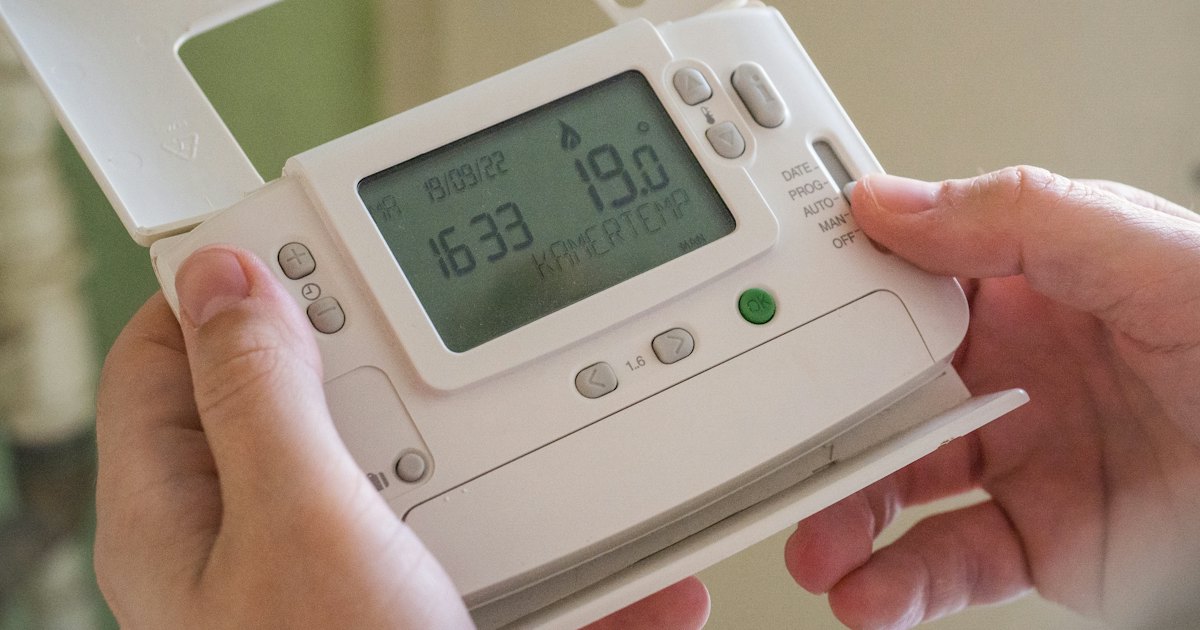
Photo by Arthur Lambillotte on Unsplash
This article is for general information. Figures and examples are illustrative and can change; check the linked sources before making decisions.
Short answer: the biggest levers on a home electric bill are usually heating and cooling, water heating and the appliances you run most, not the occasional phone charger. Find out where your electricity goes, then focus on a few changes that fit your home.
For context, the U.S. Energy Information Administration reports that the average U.S. residential electricity price in 2025 was 17.30 cents per kWh. Your rate is different, so use the one on your own bill.
Start with your bill
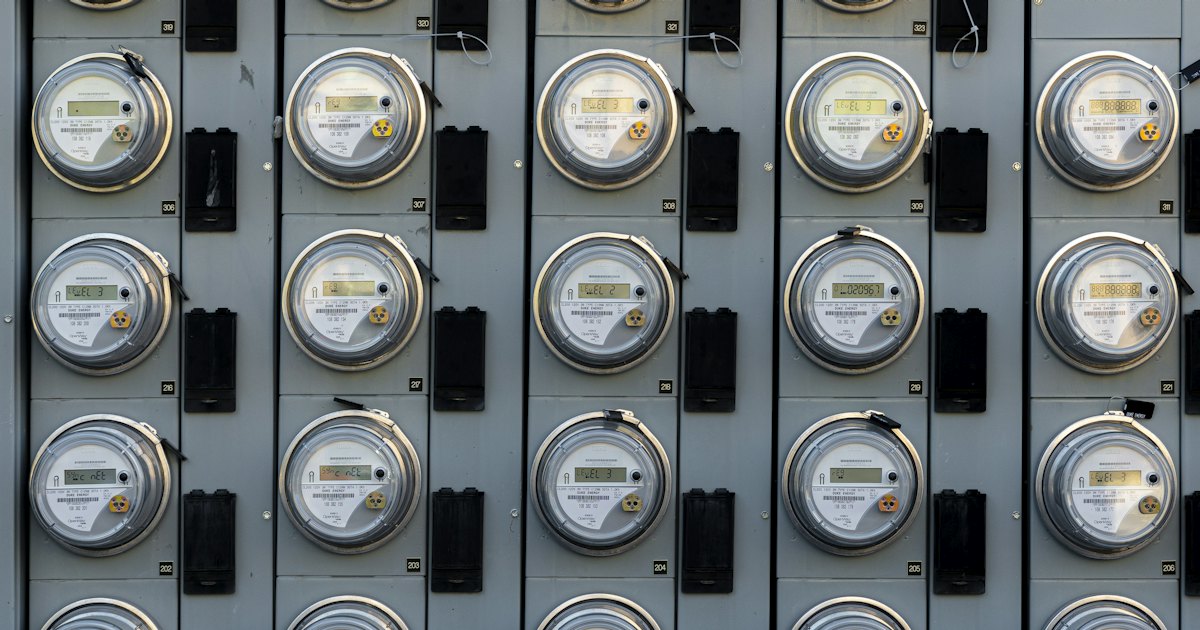
Find the kilowatt-hours (kWh) you used and your price per kWh. Look at the monthly pattern: spikes in summer or winter point to cooling or heating. Ask your utility about time-of-use rates, budget billing and free home energy audits.
To see what a specific device costs, use our guide to how much electricity an appliance uses.
Heating and cooling
For most homes these are the biggest uses. Lower the thermostat when you're asleep or away (a programmable or smart thermostat can do it for you), replace filters, seal air leaks around doors and windows, and use fans and curtains in summer. Be careful with space heaters: they can be costly to run for long periods and are a fire risk if misused.
The right temperature depends on your climate and your household's health. Don't set temperatures that put vulnerable people at risk.
Water, lighting and appliances
- Water heating: lower the water heater's temperature to a safe level, fix leaks and use cold water for laundry.
- Lighting: LED bulbs use much less electricity than incandescent ones.
- Standby power: plug TVs, consoles and chargers into a power strip you can switch off.
- Appliances: run full loads, air-dry when practical, and when you replace something, compare ENERGY STAR models and the yearly operating cost on the label.
Programs and better rates
What's available varies by state and utility, so we can't list it all. Check your utility's website for rebates and payment assistance, and your state energy office. LIHEAP is a federal program that helps eligible households with energy costs, run through your state or tribe. If your state lets you choose a supplier, compare rates and cancellation fees carefully.
Frequently asked questions
Does unplugging devices save much?
Some electronics draw standby power, but heating, cooling and water heating usually matter much more.
Are smart thermostats worth it?
They can help if they fit your routine. Savings depend on your home and habits, so be cautious with advertised savings.
Guides by appliance
To see what specific appliances cost to run:
- How Much Does a Space Heater Cost to Run? Per Hour, Per Day and Per Month
- How Much Does It Cost to Run a Dryer? Per Load, Per Hour and Per Month
- How Much Electricity Does a Refrigerator Use? Cost Per Month and Year
- How Much Does It Cost to Charge an Electric Car at Home? How to Calculate It